Thursday, June 6, 2019

Samsung Galaxy Note 10 renders emerge: Goodbye 3.5mm port, Bixby key?

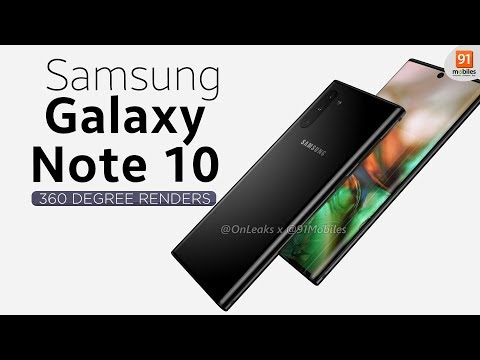
Samsung’s Galaxy S10 series is one of a few major flagships to retain the 3.5mm port, as the likes of Google, Huawei, and OnePlus ditch the standard in their top models. Now, some supposed Samsung Galaxy Note 10 renders have emerged, and it looks like the Korean firm is getting ready to drop the port too.

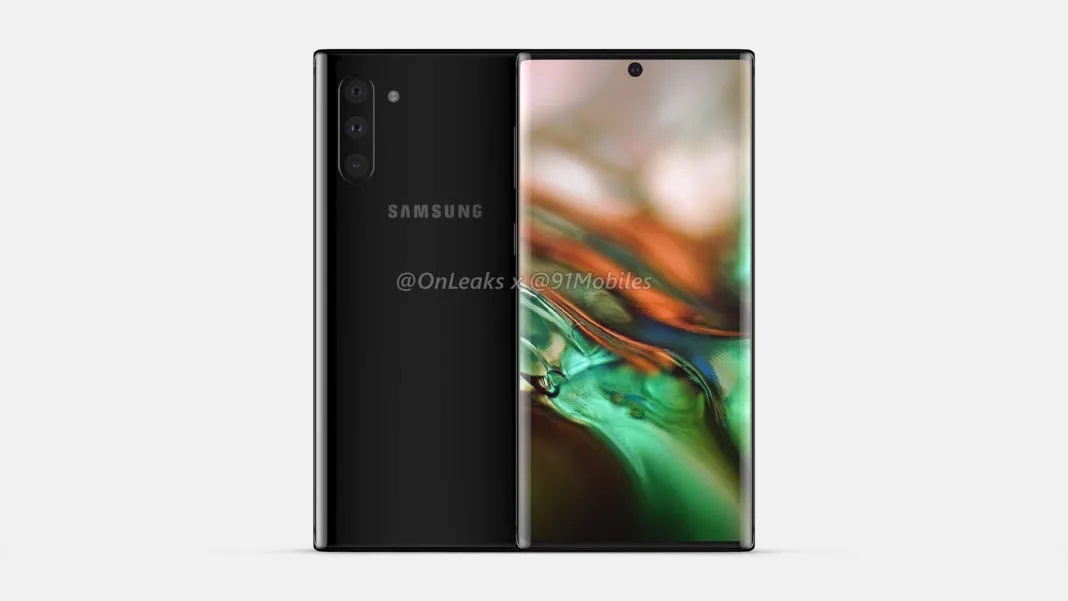
The CAD-based renders, posted by the often reliable 91Mobiles and OnLeaks, show a phone without a headphone port at the top or bottom. Instead, the bottom houses the S-Pen housing, a USB-C port, and what looks like a speaker grille. Other I/O options seen on these renders include volume keys and a power button on the left side, and what appears to be a clean right-hand side, suggesting no Bixby button.

A render apparently showing the Samsung Galaxy Note 10.

This isn’t the only major design tweak here, as the renders also show a center-mounted punch-hole camera on the curved screen. By comparison, the Galaxy S10 series offered punch-holes in the top-right corner of the screen. We also see thin bezels at the top and bottom, as opposed to a 100 percent full-screen design.

On the back, we’ve got a vertically stacked triple rear camera setup as opposed to the horizontally aligned setup seen on the S10 and S10 Plus. If it’s anything like the earlier flagships, then we can expect the Samsung Galaxy Note 10 to offer a normal/ultra-wide/telephoto trio here. 

A Galaxy Note 10 render showing two devices facing forwards and backwards. @OnLeaks / 91Mobiles

We don’t have much more information about the new device, although Samsung tends to incorporate the Galaxy S family’s core specs into its Note line. So that means we’re likely looking at a Snapdragon 855 and Exynos 9820 chipset, at least 128GB of storage, and an in-display fingerprint sensor.

We are likely still months away from the Galaxy Note 10 launch, and even if the renders above are accurate, the design could change between now and the phone’s release. Still, what do you think about the possibility of a headphone port-less Galaxy Note 10? Give us your thoughts in the comments! And if you’re interested in a recent Samsung flagship that includes a headphone port, check out the Galaxy S10 series via the button below.

Samsung Galaxy Note 10 renders emerge: Goodbye 3.5mm port, Bixby key? syndicated from https://bestpricesmartphoneweb.wordpress.com

Google opens its Street View air-quality data to scientists

Dynamic System Updates are now working in Android Q beta 4

Google I/O 2019 Android Q Logo

  • Google has launched the Dynamic System Updates feature in Android Q beta 4.
  • The new feature will let you temporarily install a Generic System Image or another version of Android.
  • Users can also restart their phone to return to the original version of Android.

Google has just launched Android Q beta 4, and there’s already plenty to know about the latest update. The latest beta also brings another feature to the table in Dynamic System Updates (DSU).

XDA‘s Mishaal Rahman spotted the addition, and it should make for a much easier way to preview new updates. More specifically, Dynamic System Updates will allow you to temporarily install a Generic System Image (GSI) provided by the device manufacturer. The GSI is essentially a pure version of Android, and is used to test Android compatibility on smartphones.

Google adds that you can also install another Android system image via this method too, although it’s unclear if this means custom ROMs or official previews. So how does this new process work anyway?

Editor’s Pick

According to Google’s page on the topic, the GSI needs to be signed by Google or your device manufacturer. Furthermore, manufacturers will need to enable Dynamic System Updates from their end too. But Google has confirmed that it’s available on the Pixel 3 and Pixel 3 XL.

Fulfill these requirements? Then you can enable the DSU feature flag via an ADB command or via Settings > System > Developer options > Feature flags > settings_dynamic_android in a “userdebug” version of Android. You’ll then need to download the GSI for your device and run several ADB commands. If all of this is successful, you’ll see a prompt to restart your phone with the new update.

Dynamic System Updates in Android Q.

Don’t like the update? Fortunately, you can simply restart your phone to ditch it and return to your current update. Hopefully Google works with custom ROM developers so users can try out new ROMs, but it should be a time-saving feature for developers, allowing them to quickly test their apps.

NEXT: Google Stadia will reportedly include Destiny 2, support cross-platform saves

Dynamic System Updates are now working in Android Q beta 4 syndicated from https://bestpricesmartphoneweb.wordpress.com

Alexa gets smarter about combining AI skills, starting with dinner and a movie

Uber to take to the skies with Uber Copter

Early LendingClub investor leads $10.5M round for small-dollar loan provider Possible Finance

Level Up your Battle Pass in the latest Fortnite Item Shop Update

All the latest goodies from the shop to add to your collection!

The Fortnite Item Shop has updated once again, and players can now hop in and pick up some new gear, including brand new cosmetics, gliders, and other items.

Today’s update brings back a variety of fan-favorite outfits, including the clown-themed Peekaboo and Nite Nite, and the Prickly Patroller cactus outfit. Alongside the three skins come with the Pick Squeak and Prickly Axe accessories, as well as the Splode outfit and Shrapnel accessory.

Alongside the bevy of skins and pickaxes, players can also pick up some random items to add to their arsenal. Today, the Snorkel Ops and Insight outfits are available in the shop, alongside the Krakenaxe harvesting tool and Bunny Hop and Prickly Pose emotes. Players can also level up their Battle Pass tiers by picking up some extra levels.

I see you

Peekaboo

1,500 V-Bucks

Go to sleep

Nite Nite

1,500 V-Bucks

A toy for treasure

Pick Squeak

1,500 V-Bucks

A sharp fighter

Prickly Patroller

800 V-Bucks

Crack the case

Prickly Axe

800 V-Bucks

Light the fuse

Splode

1,500 V-Bucks

Makeshift looter

Shrapnel

500 V-Bucks

Dive deep

Snorkel Ops

1,200 V-Bucks

Search within

Insight

1,200 V-Bucks

Release the loot

Krakenaxe

500 V-Bucks

Hippity hoppity

Bunny Hop

500 V-Bucks

Arms up!

Prickly Pose

200 V-Bucks

Level up!

Battle Pass Tiers

600 V-Bucks

As is the case with every day, the Fortnite item shop updates every day at 8 pm EST, which means the clock is ticking on your ability to pick up any of these items.

Updated June 05, 2019: The store updated with all the latest goodies for you to enjoy!


Level Up your Battle Pass in the latest Fortnite Item Shop Update syndicated from https://bestpricesmartphoneweb.wordpress.com

Wednesday, June 5, 2019

Amazon CEO Jeff Bezos gets a laugh out of his round with a robotic arm at re:MARS

Price drop! The Retro Bluetooth Speaker is 60% off today

The AAPicks team writes about things we think you’ll like, and we may see a share of revenue from any purchases made through affiliate links.

Retro Bluetooth Speaker Colors

Most Bluetooth speakers are built to look classy or futuristic. This does, however, tend to lead to most of them looking quite similar and boring.

No such problem with the Retro Bluetooth Speaker from RetroTunes. This ultra-portable speaker adds some character to your living space, and it’s on offer right now.

Thankfully, the high-quality sound from this little music player is a lot better than the classic radio it imitates, and it’s a lot lighter too. At just a few inches square, it’s very easy to take it anywhere. You’ll never be without your favorite tunes.

Add some character to your living space.

The Retro Bluetooth Speaker comes in four different colors that reflect its old-fashioned counterpart. It also comes with a USB charging cable and additional audio cable. There’s even a microSD slot.

With a list price of almost $50, today’s deal is quite a saving. For the next few days, the speaker is on offer for just $19.99.

Summer is coming, and this deal is ending. Pick up your Retro Bluetooth Speaker while you can by hitting the button below.

This deal not quite right for you? To see all our hottest deals, head over to the AAPICKS HUB.

Price drop! The Retro Bluetooth Speaker is 60% off today syndicated from https://bestpricesmartphoneweb.wordpress.com

Asus might have to change ZenFone branding in India due to lawsuit

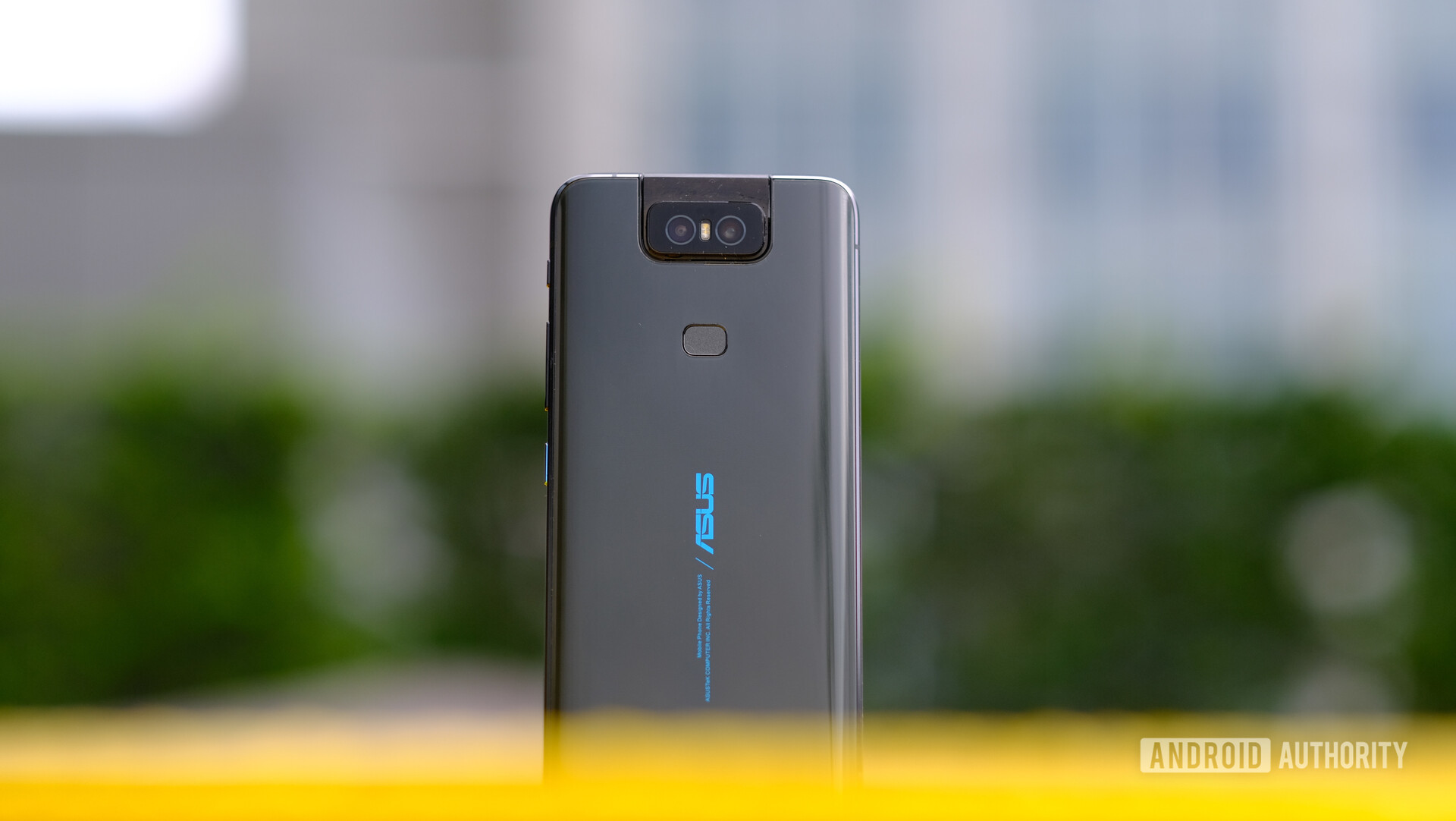
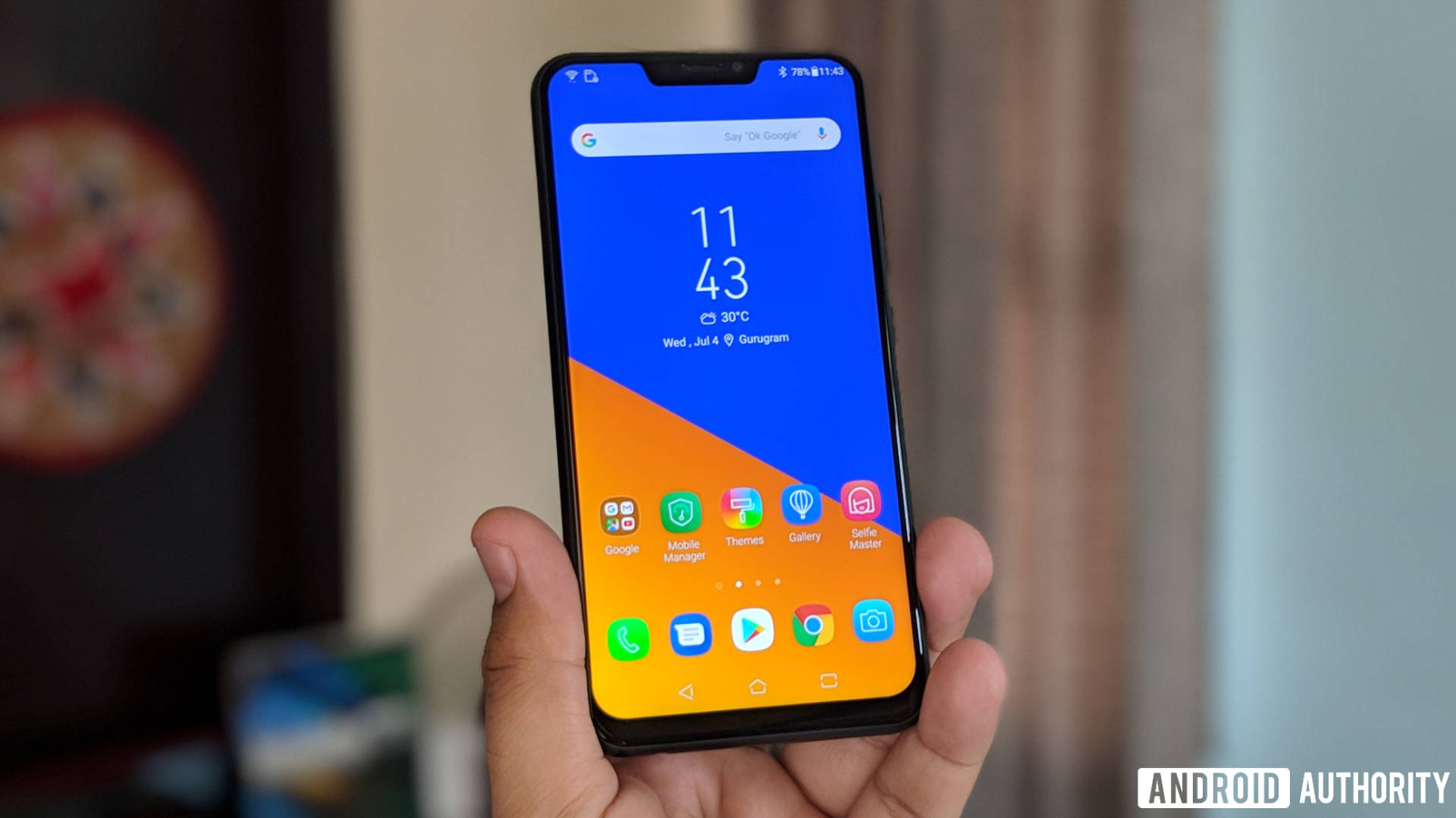
Asus Zenfone 6 back here shot 2

The Zenfone name, used by Asus for its series of smartphones, is in danger of going away in India due to a lawsuit from Telecare Network India.

According to the lawsuit (via Bar & Bench), Telecare owns the trademarks for Zen and Zen Mobiles and sells devices under the two brand names. Telecare also noted in the lawsuit it’s been selling devices under the Zen name since 2008, while Asus only started selling smartphones under the Zenfone name in 2014.

Asus argued that the word Zen is a generic Buddhist term and that there’s no confusion due to the Asus name being coupled with the Zenfone branding. The Delhi High Court agreed that Zen is a common term, but countered that Zen can’t be directly associated with smartphones and tablets.

It also said Asus applied for the Zenfone trademark, which means the company can’t argue that Zen is a common term.

Editor’s Pick

The court concluded by siding with Telecare and ruling Asus’ use of similar branding is damaging. It ordered Asus to halt sales of any smartphone, tablet, or accessory with Zenfone branding in India starting July 23.

The ruling could also affect Asus’ ZenBook line of laptops, since it also includes the Zen name. Asus could pivot to different product branding in India, but Zenfone is an established name that’s been around for half a decade.

Android Authority reached out to Asus for a response to the ruling, but didn’t receive a reply by press time. Asus has a hearing scheduled for July 10, when the company will have to convince the Delhi High Court its decision to use the Zenfone name isn’t a trademark violation.

NEXT: Best phones under 15,000 rupees in India

Asus might have to change ZenFone branding in India due to lawsuit syndicated from https://bestpricesmartphoneweb.wordpress.com

What is a computer? The lines between iPadOS and macOS blur

At WWDC 2019 the Cupertino-based company announced iPadOS and MacOS Catalina, which are getting closer and closer but are still substantially different.

(This is a preview – click here to read the entire entry.)

What is a computer? The lines between iPadOS and macOS blur syndicated from https://bestpricesmartphoneweb.wordpress.com

Pokémon Go Plus vs Poké Ball Plus vs Go-tcha: Which is the ultimate Pokémon Go accessory?

Pokemon Go Plus on wrist Nintendo

When the Pokémon Go Plus first launched in 2016, it offered huge advantages for the hordes of Pokémon Go fans around the world. With the simple tap of a button, you could catch Pokémon or spin Pokéstops without having to take out your phone.

Read also: Pokémon Go updates and events: All the latest in one place

But now there are other Pokémon Go accessories that do the same thing — or better. The Poké Ball Plus, launched alongside Pokémon Let’s Go in 2018, offers the same Pokémon catching abilities as the original Pokémon Go Plus in a cool Poké Ball format. The Go-tcha is a much more discrete wristband that automates the process, so you don’t even need to press the button. There’s even a Pokemon Go Plus+ in the works, although we don’t have full details on that yet.

Any of these will make a huge difference in your Pokémon Go experience, but which one should you choose? We break down the advantages of each below.


Pokémon Go Plus — The dated original

Pokemon Go Plus

If you want a simple way to speed up your Pokémon Go progress without losing the Poké-essence, the Pokémon Go Plus is the device for you. It features a plastic build that screams “I’m playing Pokémon Go”, so it’s also a good way to meet fellow players on the street.

Editor’s Pick

Whenever a Pokémon or Pokéstop is nearby, the device will vibrate and light up, making the Pokémon Go Plus easy to use. The light indicates if it’s a new or duplicate Pokémon, and pushing the button will spin the Pokéstop or throw a single Poké ball. If the first Poké Ball fails, the Pokémon escapes.

It might seem like a bummer that it only throws a single Poké Ball (and never a Great Ball or higher), but it’s worth mentioning that both the other devices on this list (the Poké Ball Plus and the Go-tcha) work the same way. You’ll have to pull out your phone to use berries or better types of Poké Balls.

The Pokémon Go Plus’ battery is a major drawback.

The worst part about the Pokémon Go Plus is the battery. It comes with a single CR2032 battery, and you’ll need to purchase a new battery to keep the fun going. You can buy a new Pokémon Go Plus battery here, but it is an added hassle in the age of rechargeable devices.

It’s worth noting that although it isn’t available yet, there is a Pokémon Go Plus+ (yes, that’s plus plus) on the way. It appears to be similar to the original, if a little bit more stylish. It will also work as a sleep tracker for the upcoming game Pokémon Sleep. Stay tuned for more details on this new Pokémon Go device in the near future.

For now, the Pokémon Go Plus will run you $35, which isn’t too expensive if you’re really invested in the game. It comes with the device, a Pokémon themed band, and a single battery. Click the link below to learn more.


Poké Ball Plus — The Pokémon enthusiast’s choice

Poke Ball Plus Pokemon Go

If you want to stick with an official device with a bit more Pokémon flair than the Pokémon Go Plus, consider the Poké Ball Plus. It’s a small, Poké Ball-shaped device that makes you feel like a real Pokémon trainer. Kids (and the 90s kid in all of us) will love it.

In addition to having a control stick for Let’s Go, Pikachu and Let’s Go, Eevee on the Nintendo Switch, the Poké Ball Plus does much of the same as the Pokémon Go Plus when connected to your phone via Bluetooth. It vibrates and lights up when a Pokémon is nearby, and pushing the button will launch a single Poké Ball to try to catch it.

The Poké Ball Plus has a rechargeable battery and makes you feel like a Pokémon trainer (kinda).

On top of that, the Poké Ball plus has a 220mAh rechargeable battery, which is rated for about 3 hours of use with the Nintendo Switch. With Pokémon Go it will last a bit longer, but it will still need to be charged every few days, depending on usage.

The Poké Ball Plus is a bit more expensive than the Pokémon Go Plus at $50. Learn more by clicking on the button below.


Go-tcha — The min-maxer’s dream

Pokemon Go Gotcha

The final Pokémon Go accessory on the list trades in cute a Pokémon aesthetic for pure utilitarianism. It looks and feels like a Fitbit-style fitness tracker, but it offers key features that the Pokémon Go Plus and the Poké Ball Plus don’t.

The Go-tcha connects to your phone just like the other accessories, and is even recognized by the game as a Pokémon Go Plus. However, rather than having to push the button to catch a Pokémon or spin a Pokéstop, it does it automatically. This means that you can walk around all day catching Pokemon and spinning stops without being distracted.

There is no better way to powerlevel and grind Stardust than the Go-tcha.

There really is no better way to grind Stardust and experience than the Go-tcha. Some might argue that it takes all the fun out of Pokémon Go, but really it just gets rid of the grindy parts. You can still trade with your friends, battle other trainers, raid, and so on. Plus, the rechargeable battery can last for a week or more on a single charge.

It’s also much more inconspicuous. It fits nicely underneath a dress shirt, so you don’t have to be embarrassed about wearing it to work. There are even plain black and white bands to make them look like any other fitness band. Your boss will never be the wiser.

The only catch is that the Go-tcha is made by a third party, Datel. It isn’t officially supported by the Pokémon Go developers, although it has worked for thousands of users for years without a single ban. Be aware that there are some sketchy knock-off versions available, so make sure to buy it from a reputable source, like the one linked below.


Final thoughts

So which one of the three is right for you? Well, that depends on how you want to use it. Any of the three will give you a significant advantage when it comes to catching Pokémon on the move.

The original Pokémon Go Plus is nice because it’s cheap and officially supported, plus it can alert serve as a means to meet other Pokémon Go players. The Poké Ball Plus offers a similar experience, but with a role playing twist. The rechargeable battery also eliminates the need to buy expensive and hard-to-find batteries.

But if you really want to get the most out of your play time, pick up the Go-tcha. It’s by far the best way to powerlevel and farm so you can take on the toughest raids with ease. This could change with the introduction of the Pokémon Go Plus+, but for now it’s the best bang for your buck.


That’s all for our guide to the best Pokemon Go accessories. Which device do you recommend? Let us know in the comments below!

Pokémon Go Plus vs Poké Ball Plus vs Go-tcha: Which is the ultimate Pokémon Go accessory? syndicated from https://bestpricesmartphoneweb.wordpress.com

Seattle is the ‘landlord’ of the internet, thanks to Amazon and Microsoft’s cloud prowess

Android Q could bring Google Pay cards to power button, just like the iPhone

The Google Pay logo.

In the latest beta of Android Q, the power button does quite a bit. It brings up the power menu, naturally, but also can be used as a way to end a call, a way to stop the phone from ringing, a way to quickly launch the camera app, and more.

It appears there could be at least one new power button shortcut added to Android Q: the ability to quickly scroll through your Google Pay cards. According to research conducted by 9to5Google, this feature is baked into Android Q beta 4 but hasn’t been turned on yet. This strongly suggests the power button shortcut will go live with the stable launch.

Editor’s Pick

If this sounds familiar at all, it’s because the iPhone X and iPhone XS series already have this feature. On the iPhone XS, for example, you double-tap the power button to launch a carousel of Apple Pay cards in order to select which one you want to use for your NFC payment.

On Android Q, however, it won’t be a double-tap: it will be a long-press.

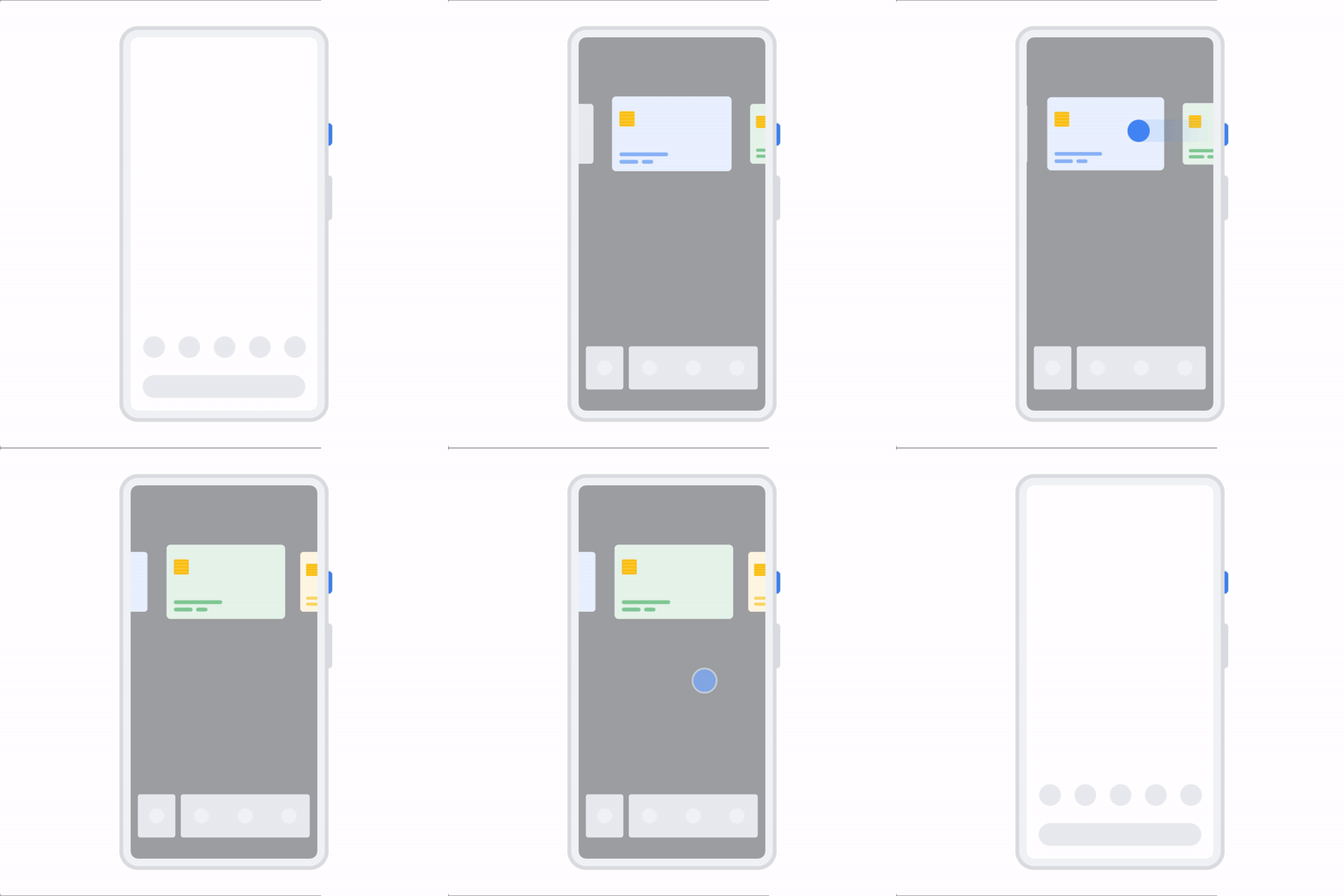
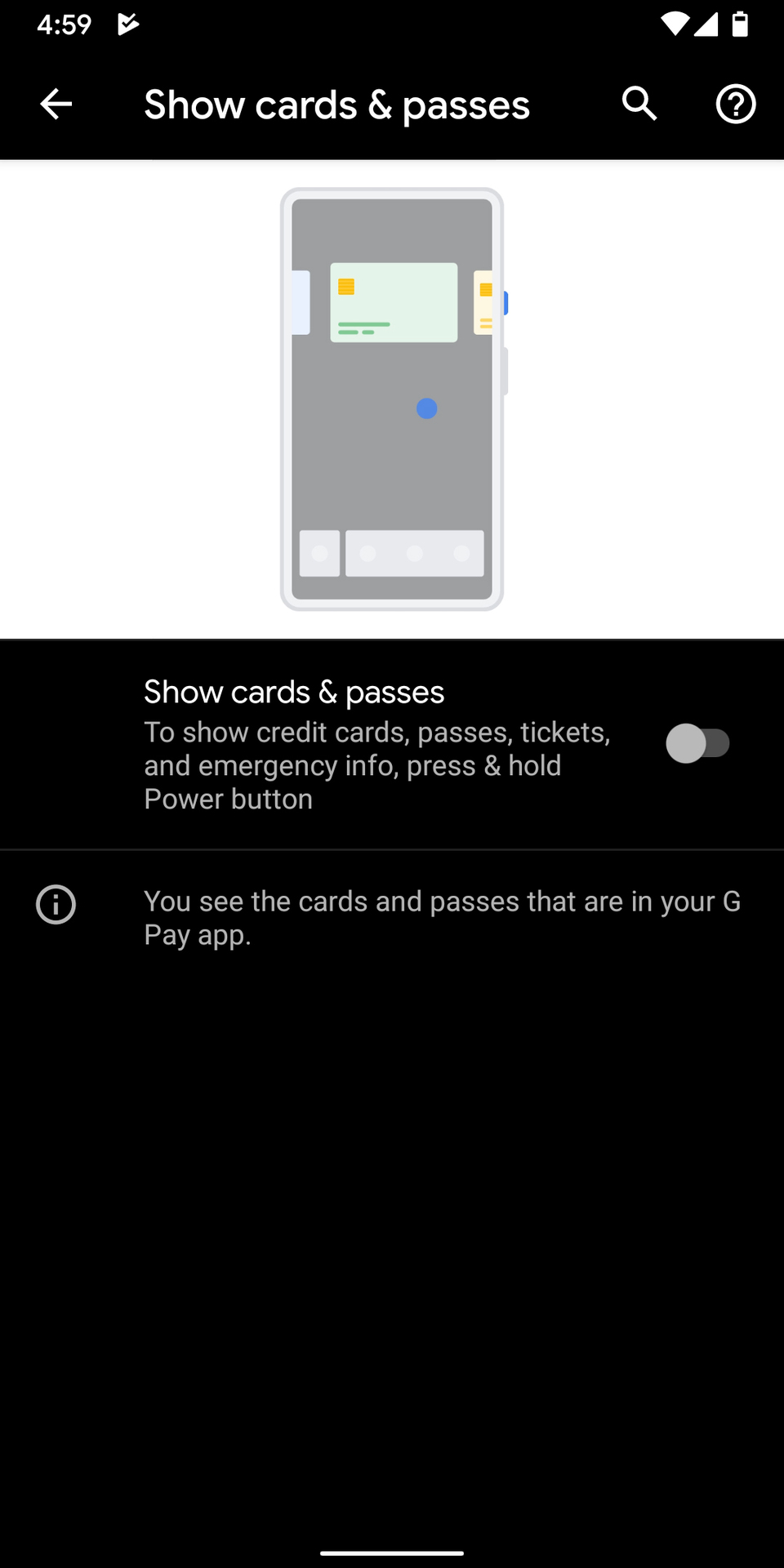
Since Google Pay is disabled in Android Q beta, we can’t see this work quite yet. However, 9to5Google was able to find the settings page that describes the feature and even an animation to show what it will look like:

A GIF animation of what the Google Pay power button shortcut could look like in Android Q. 9to5Google

A screenshot of a settings page that will likely appear in Android Q related to Google Pay and the power button. 9to5Google

The animation shows that the power menu flies down to the bottom of the display when you are scrolling through your Google Pay cards. This is a good idea as it prevents you from mistakenly long-pressing the power button to get to the power menu only to find you have to back out and hit the power button again.

However, this also makes the power menu very crowded. With the shutdown button, restart button, screenshot button, emergency calling button, and now Google Pay all in one menu, it seems like there’s almost too much going on. It will be interesting to see how this plays out.

What do you think? Is this a welcome change? Let us know in the comments.

NEXT: Everything new in the fourth Android Q developer preview

Android Q could bring Google Pay cards to power button, just like the iPhone syndicated from https://bestpricesmartphoneweb.wordpress.com

Is AI overhyped? Cloud startup CEOs call out proliferation of trendy technology

YouTube decides homophobia doesn’t break its rules

YouTube has responded to a criticism provoked by conservative Steven Crowder. The verdict: homophobic comments are not a violation.

(This is a preview – click here to read the entire entry.)

YouTube decides homophobia doesn’t break its rules syndicated from https://bestpricesmartphoneweb.wordpress.com
Look out: Android Q Beta 4 update failing for some Pixel owners

What you need to know

  • Android Q Beta 4 is failing to install for many Pixel 3 owners.
  • Phone either fails to boot or dumps into recovery mode.
  • Force rebooting, sometimes with recovery mode, can revert to Beta 3.

The fourth version of the Android Q beta was just released, and OTA updates already started pushing out to Pixel owners who were enrolled in the beta program. But this one isn’t heading out as smoothly as the first few: many users are reporting issues installing the update, with Pixel 3s failing to install and getting stuck while rebooting or dumping into recovery mode with a failed update.

If you’re using Beta 3 on your main phone, hold off on this update.

There are plenty of people who have had no issues installing the update on their Pixel, so it isn’t clear why some are having troubles.

My recommendation right now is to hold off on installing the update on your Pixel unless you’re updating on a secondary device that you don’t mind losing for a little bit. If your phone gets stuck in a reboot loop or drops into recovery with failed update, you may be looking at a factory reset to get things back up and running — not something you want to mess around with on your main phone.

If your Pixel is stuck installing the latest Android Q beta update, there are a couple things you can do:

  1. First, wait it out — give the phone several minutes to try and reboot on its own before you try anything. No need to get paranoid and force your phone to reboot if it’s actually installing just fine.
  2. Then, try force rebooting the phone. Press and hold the power button until the phone turns off, and it will try to reboot on its own and complete the update.
  3. Next, you can force your phone into recovery mode to reboot. Press and hold the power button to turn the phone off, and when it comes back on automatically, keep holding the power button and press the volume up button (you can press a few times to make sure it takes). When you see the Android on a black screen, press power + volume up again to see the main menu, and follow the interface to reboot from this menu using the volume and power buttons to navigate.
  4. For more details and options while connected to a computer, you can check out our guide on updating and downgrading to get you started with returning your Pixel to a known working state.


Look out: Android Q Beta 4 update failing for some Pixel owners syndicated from https://bestpricesmartphoneweb.wordpress.com

Global smartphone shipments might slip for the third year in a row

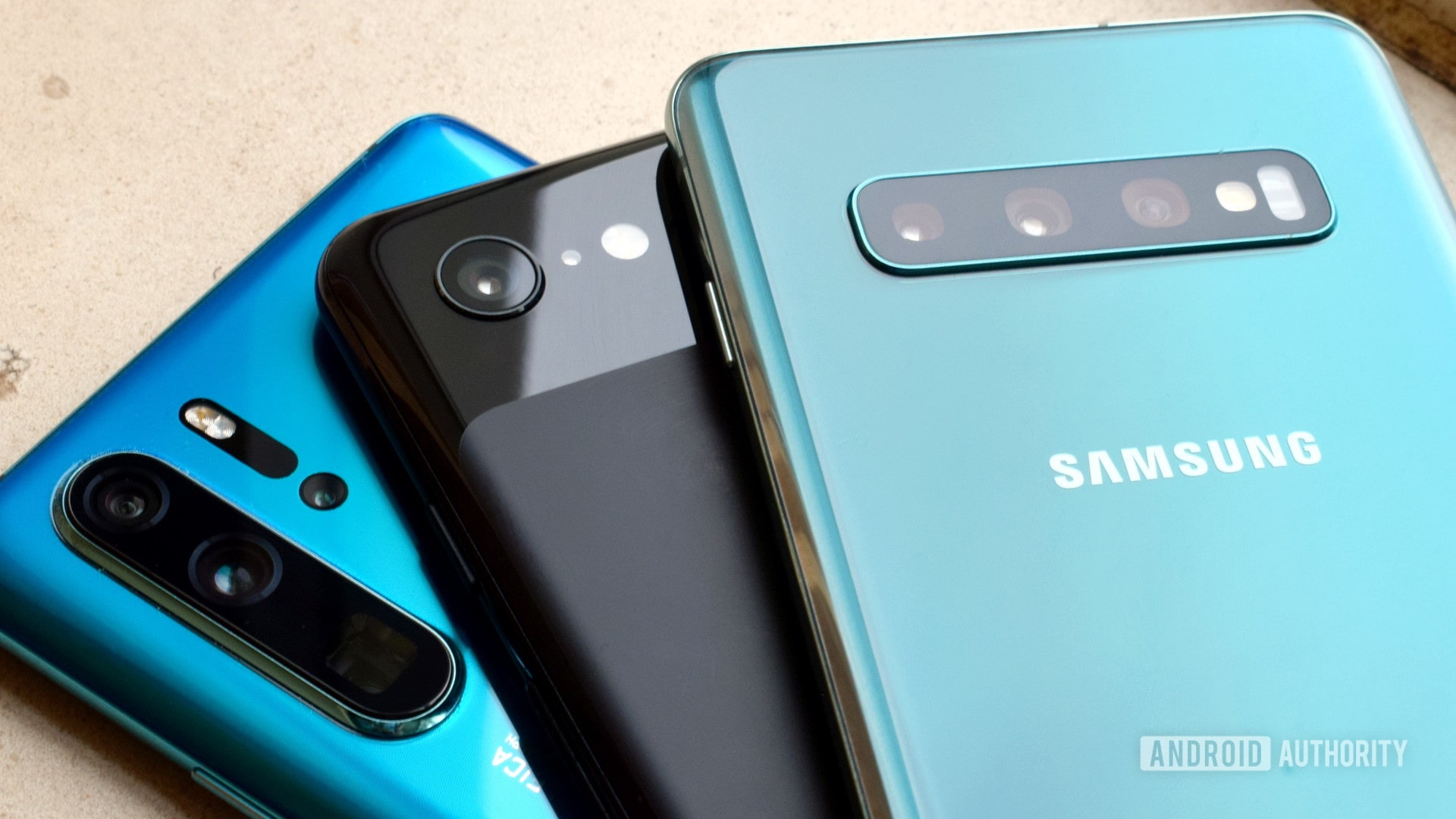
Backs of the Huawei P30 Pro, Google Pixel 3, and Samsung Galaxy S10

According to the International Data Corporation’s (IDC) Worldwide Quarterly Mobile Phone Tracker report published yesterday, global smartphone shipments are expected to fall 1.9 percent compared to 2018. If the prediction holds true, this will mark the third straight year of decreasing shipments.

Based on the report, shipments in the first half of 2019 will decrease 5.5 percent relative to the same time period in 2018. The IDC partially blamed the slowing transition from feature phones to smartphones for the lower number of shipments. It also mentioned the ongoing trade dispute between the U.S. and China and the increasing prices of flagship smartphones.

Editor’s Pick

Seemingly worst off is Apple, which the IDC predicted will see a 12.1-percent decrease in new iPhone shipments year-over-year. The report noted that Apple is selling more refurbished iPhones, with the company also expanding its services business. Apple’s services revenue reached an all-time high of $11.5 billion in Q2 2019.

There’s some light at the end of the tunnel, however. We might see a 1.4-percent growth in smartphone shipments during the second half of 2019 due to 5G, more lower-priced smartphones hitting the market, and the booming Indian smartphone market.

The IDC also predicted an increase in Android’s market share, from 85.1 percent in 2018 to 86.7 percent in 2019. It mostly attributed the increase to new smartphone models, some of which feature 5G connectivity. Notable 5G smartphones include the LG V50 ThinQ and Samsung Galaxy S10 5G.

NEXT: Apple hit hardest as global smartphone shipments continue to slip

Global smartphone shipments might slip for the third year in a row syndicated from https://bestpricesmartphoneweb.wordpress.com
The Netflix app could soon feel a lot more like Instagram

Smartsheet reports $56.2M in Q1 revenue, reveals acquisition price for recent Seattle startup deal

How to get Android Q beta 4 on compatible non-Pixel phones (Updated)

It’s great to see Android Q beta 4 with so many new features, but it’s also great to see the beta open up to non-Pixel phones. Here’s how to get Android Q beta 4 for compatible non-Pixel phones.

Updated June 5, 2019 (4:40 PM ET): The Huawei Mate 20 Pro regained access to the Android Q beta. You can find instructions below. Also, Android Q beta 4 is now available. The respective manufacturers should push it out to compatible devices soon.

Asus Zenfone 5Z

Zen UI

According to Asus, known issues include SD cards with exFAT format not being supported and no beep when the volume up or down buttons are pressed.

  1. Turn off your Zenfone 5Z.
  2. Hold down the Power and Volume Up buttons until your phone reboots.
  3. Connect your Zenfone 5Z to your PC.
  4. Download and decompress the Android Q’s image file.
  5. Double-click on “update_image.bat,” which starts the flash image command
  6. When the flash finishes, hit the Enter key to restart your Zenfone 5Z.

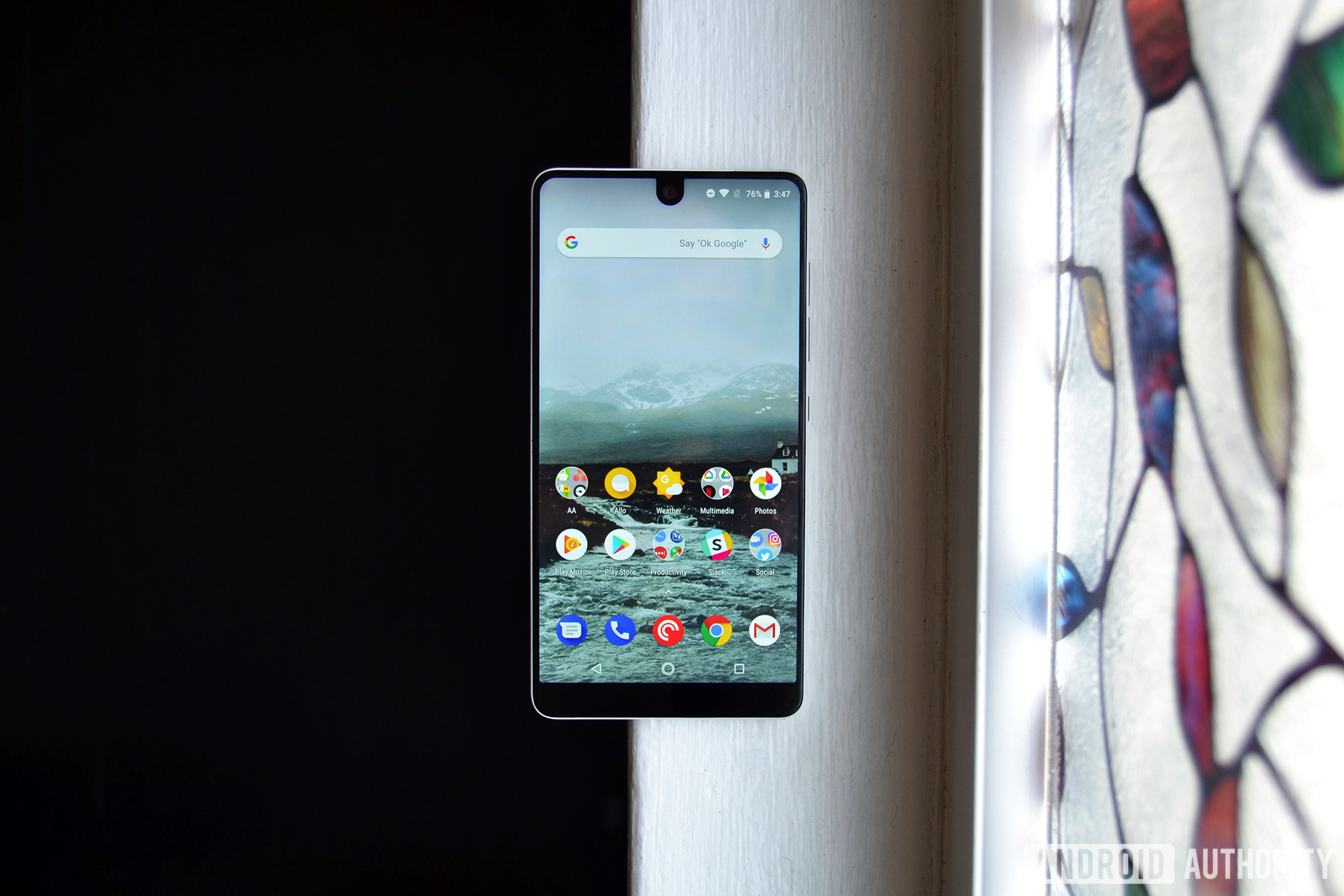
Essential Phone

Before we start, make sure to download the factory image. Also, download the fastboot tool from the Android SDK Platform-Tools package and add it to your path so the flash scripts can find it.

Finally, turn on OEM Unlocking and USB Debugging from within Developer options. To get to developer options, tap the build number multiple times until you see the “You are now a developer!” pop-up message.

  1. Connect your Essential Phone to your PC.
  2. Use the ADB tool to run the command adb reboot bootloader
  3. Reboot your phone while holding the Volume Down button.
  4. Unlock your bootloader.
    1. Run the command fastboot flashing unlock
    2. Use the Volume Down button to go to the YES option and press the Power button to confirm
    3. While your Essential Phone is rebooting, press and hold the Volume Down button to return to Fastboot mode.
  5. Flash your factory image.
    1. Unzip the previously-downloaded factory image and go to where you unzipped the files.
    2. On Windows, run the command flashall.bat
    3. On Linux and MacOS X, run the command flashall.sh
  6. Relock your bootloader
    1. You don’t have to re-lock your bootloader, though doing so improves security.
    2. Run the command fastboot flashing lock
    3. Go back to Fastboot mode and run the command fastboot flashing lock_critical

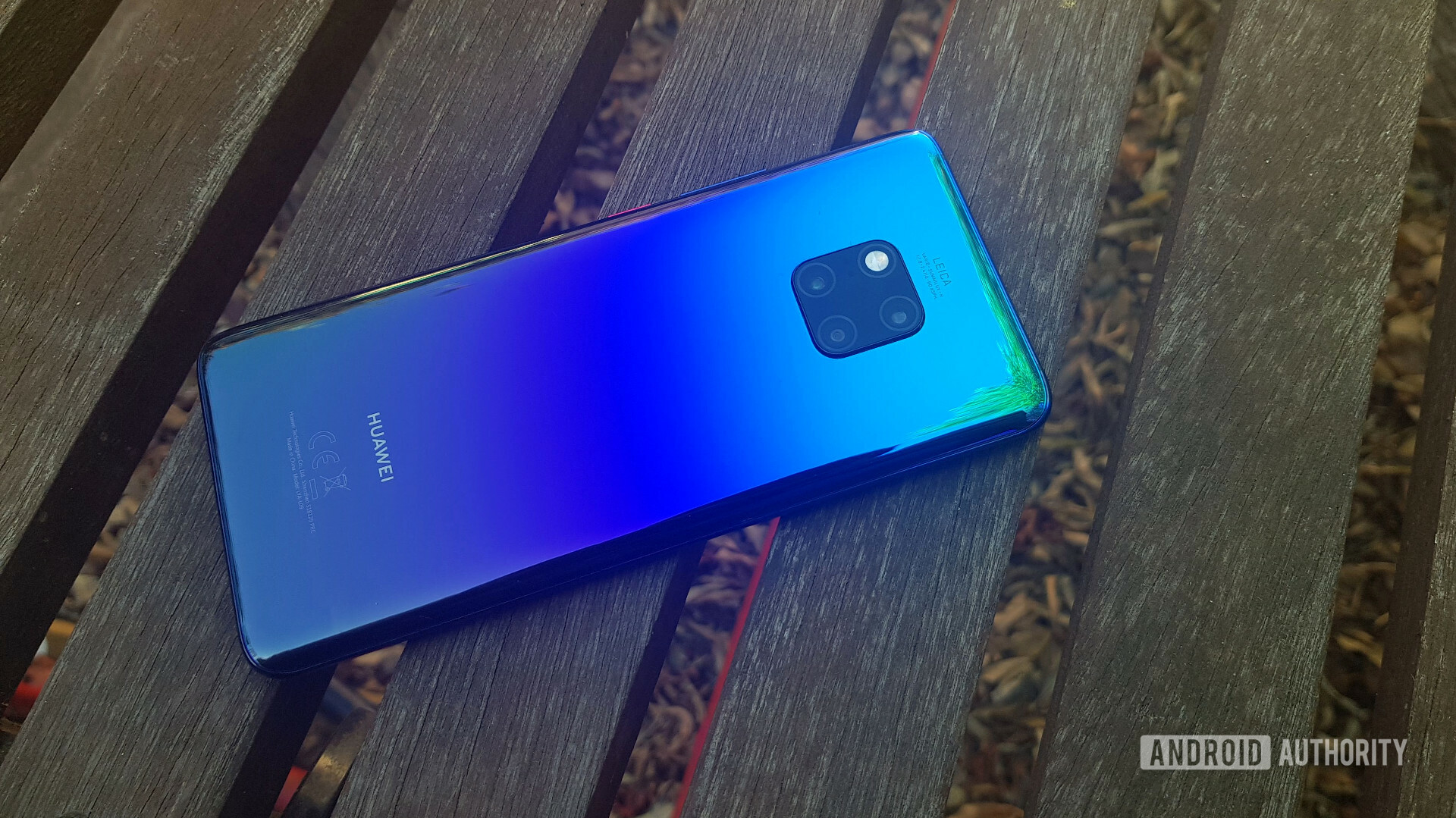
Huawei Mate 20 Pro

The twilight back of the Huawei Mate 20 Pro.

Updated June 5, 2019 (4:40 PM ET): The Huawei Mate 20 Pro regained access to the Android Q beta. You can find instructions below.


Keep in mind that you must have released at least one app on the Google Play Store and use a Huawei Mate 20 Pro to qualify. Also, your Huawei ID must be registered with the same email address used for your Google Play Store developer account.

Finally, the beta is available from now through June 30. Huawei will push out updates every Tuesday and Thursday.

You can go here to learn more about possible restrictions.

  1. Open this link on your Huawei Mate 20 Pro.
  2. Download and install the Beta app from the aforementioned link.
  3. Log in to the app with a Huawei ID registered with the Google Play Developer account’s email.
  4. Sign up for the Huawei Mate 20 Pro Developer project.

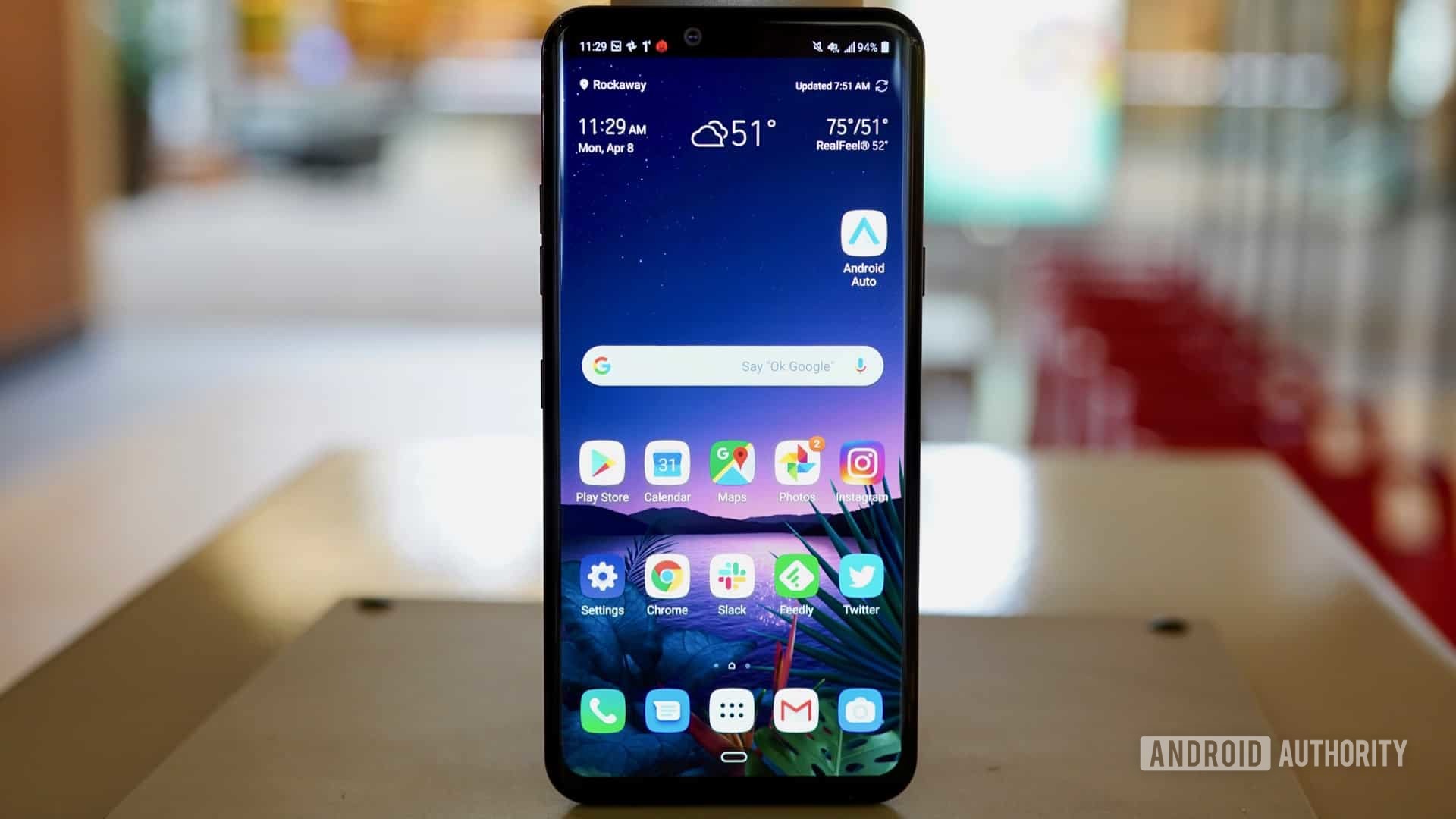
LG G8 ThinQ

LG G8 ThinQ Review display

Before installing Android Q beta 3, LG advises device owners to do a factory reset of their devices. Also, known issues include the camera with limited functionality, SD cards over 32GB not being recognized, Wi-Fi hotspot not working, voice calls over a Bluetooth headset not working, and some apps on the Google Play Store not working due to Q-OS compatibility issues.

Finally, you’ll have to use LG Beta Downloader every time there’s an update.

  1. Download and install LG Beta Downloader v1.0 or later (only works on Windows).
  2. Start LG Beta Downloader and follow the displayed instructions.

Nokia 8.1

The Nokia 8.1 screen.

Note that the beta only supports models TA-1119, TA-1121, and TA-1128 and associated 00WW images. Also, you must go here to sign up for a Nokia account and add the Nokia 8.1 to your account. From there, you can request Android Q beta 3 for your device.

Nokia is cagey on exact instructions, so make sure to have a compatible Nokia 8.1 device and follow the on-screen instructions.

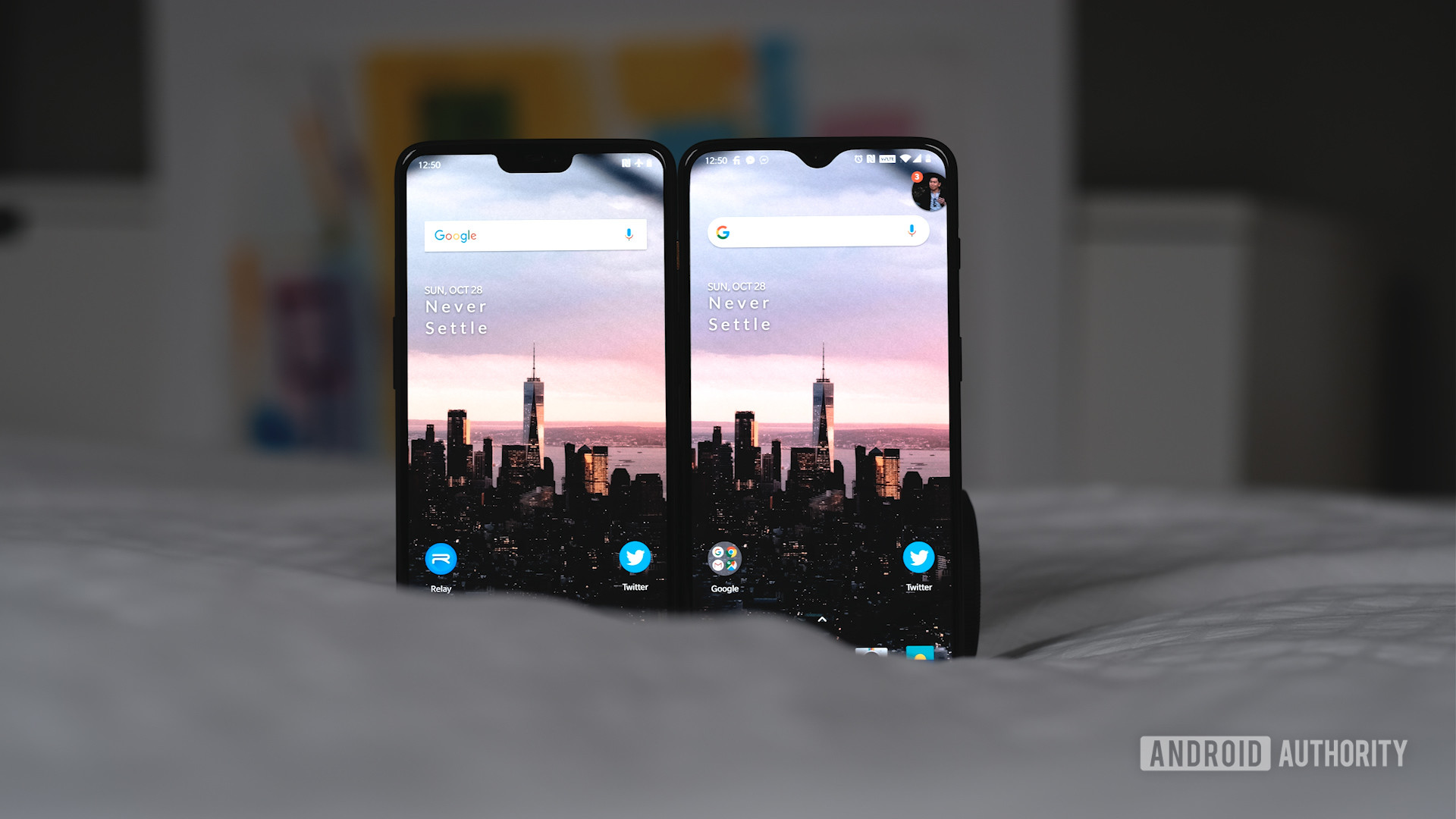
OnePlus 6/6T

Even though the OnePlus 7 series will also support Android Q beta 4, the phones aren’t out yet. We’ll update this section with any new steps once the OnePlus 7 phones launch.

  1. Download the latest ROM upgrade zip package from the specified server, which you’ll find below.
    1. OnePlus 6
    2. OnePlus 6T
  2. Copy the Rollback package to the phone storage.
  3. Go to Settings -> System -> System Updates.
  4. Tap the top right icon, then tap Local upgrade.
  5. Tap on the corresponding installation upgrade, then tap Upgrade -> System upgrade completed to 100%.
  6. After the upgrade is complete, tap Restart.
  7. Your phone will reboot into recovery mode to format user data, then reboot again after updating.

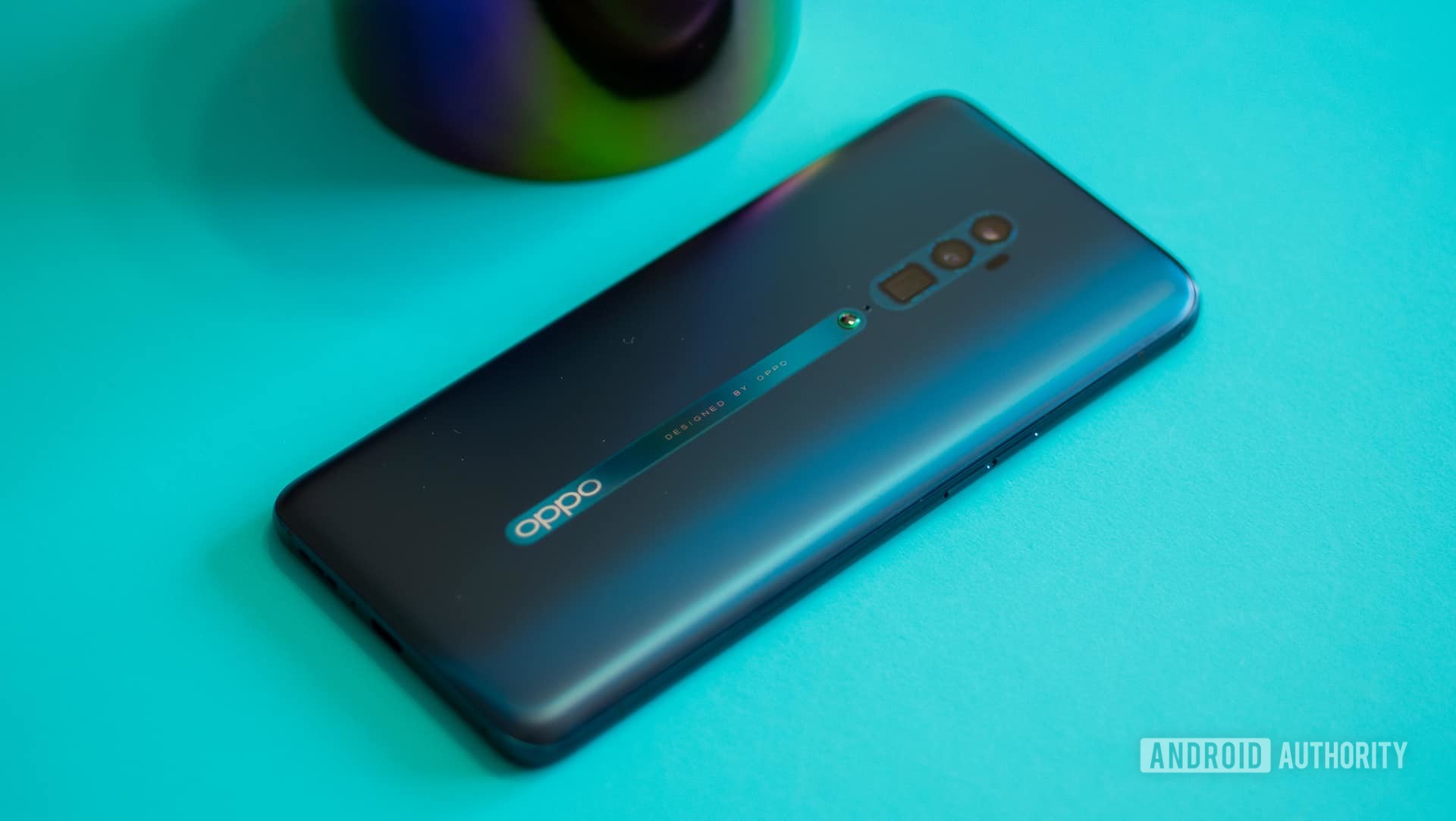
Oppo Reno

Oppo Reno Hands On rear glass panel

Oppo hasn’t yet posted instructions on how to get Android Q beta 4 for the Oppo Reno. We’ll update this section once that changes.

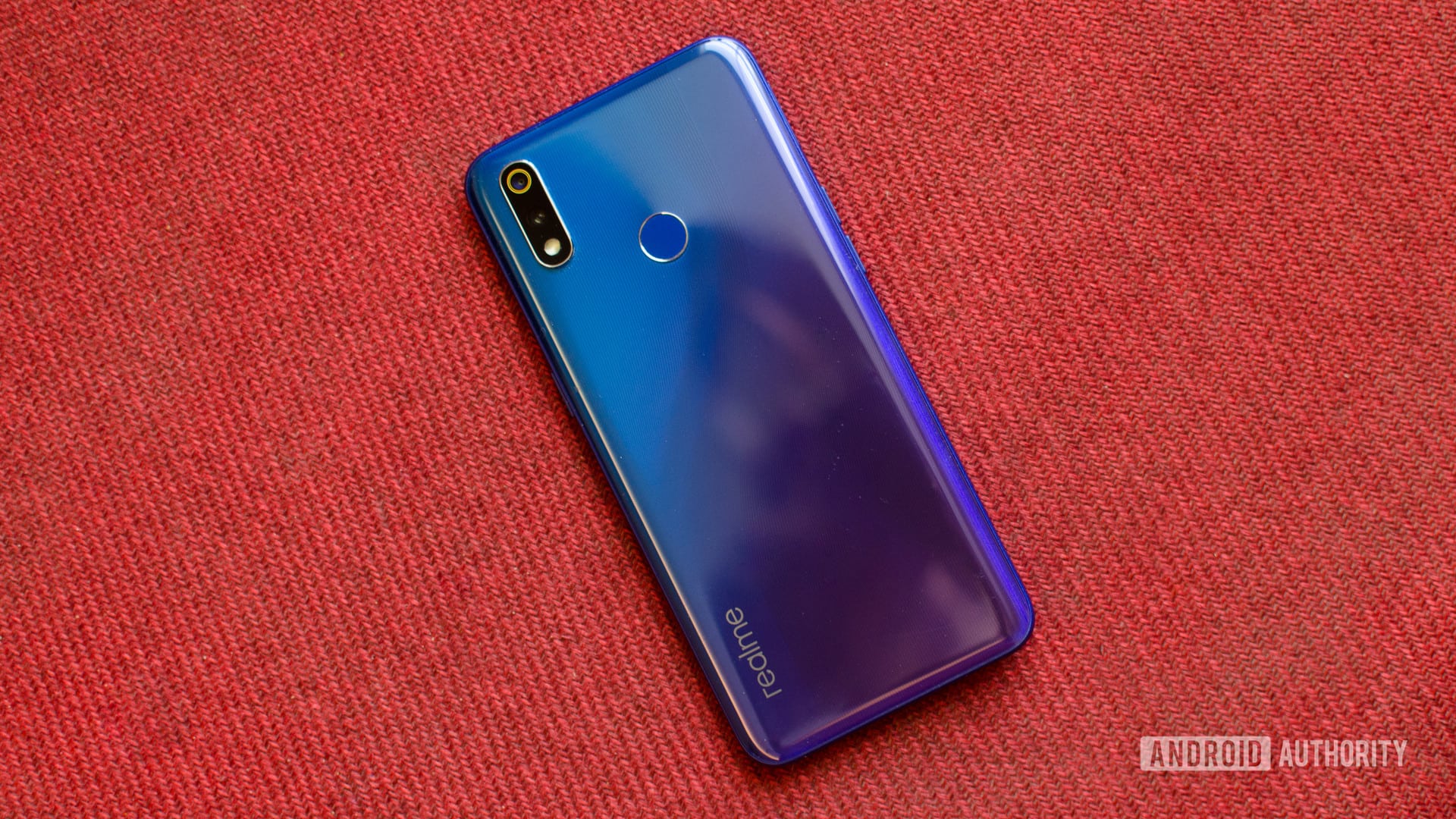
Realme 3 Pro

Realme 3 Pro back of the phone

Realme hasn’t yet posted instructions on how to get Android Q beta 4 for the Realme 3 Pro. We’ll update this section once that changes.

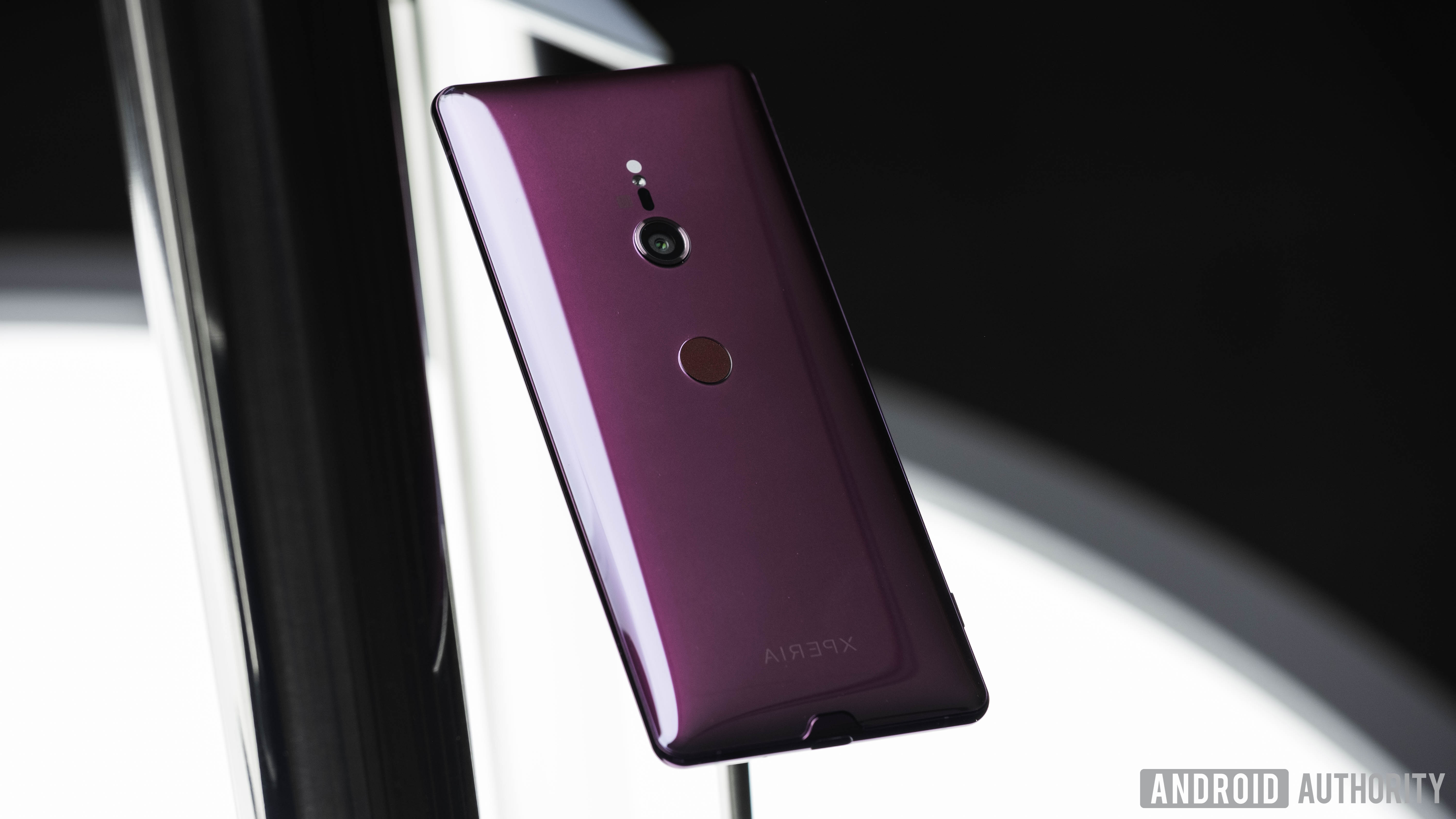
Sony Xperia XZ3

Sony notes that only versions H8416, H9436, and H9493 of the Xperia XZ3 support Android Q beta 4. Also, Sony advises that device owners factory reset their devices before flashing the software.

  1. Go here to download the latest version of the Xperia Companion app on your PC.
  2. Start the Xperia Companion app.
  3. Hold down the Alt key on your keyboard and click on Software Repair on the homescreen.
  4. Tick the checkbox My device cannot be detected or started, then click Next.
  5. Wait for the initialization to complete, then follow the on-screen instructions.

Every subsequent software update for Android Q will be an OTA update. As such, you don’t have to use the Xperia Companion app unless you want to return to factory settings.

Tecno Spark 3 Pro

Press render of the Tecno Spark 3 Pro.

Tecno hasn’t yet posted instructions on how to get Android Q beta 4 for the Spark 3 Pro. We’ll update this section once that changes.

Vivo X27

Press render of the Vivo X27.

Vivo released the first version in May, with the second version releasing in early July. Once Android Q is available to the public, Vivo will no longer release beta updates.

  1. Download the Android Q beta firmware for the Vivo X27.
  2. Copy the firmware package to the root directory of the Vivo X27’s storage.
  3. Tap on the software package, then select Start Upgrade when prompted.

Vivo Nex S

Vivo Nex

As previously mentioned, there will be an update in early July. Vivo will end the beta program once Android Q is publicly available.

  1. Download the Android Q beta firmware for the Vivo Nex S.
  2. Copy the firmware package to the root directory of the Vivo X27’s storage.
  3. Tap on the software package, then select Start Upgrade when prompted.

Vivo Nex A

As previously mentioned, there will be an update in early July. Vivo will end the beta program once Android Q is publicly available.

  1. Download the Android Q beta firmware for the Vivo Nex A.
  2. Copy the firmware package to the root directory of the Vivo X27’s storage.
  3. Tap on the software package, then select Start Upgrade when prompted.

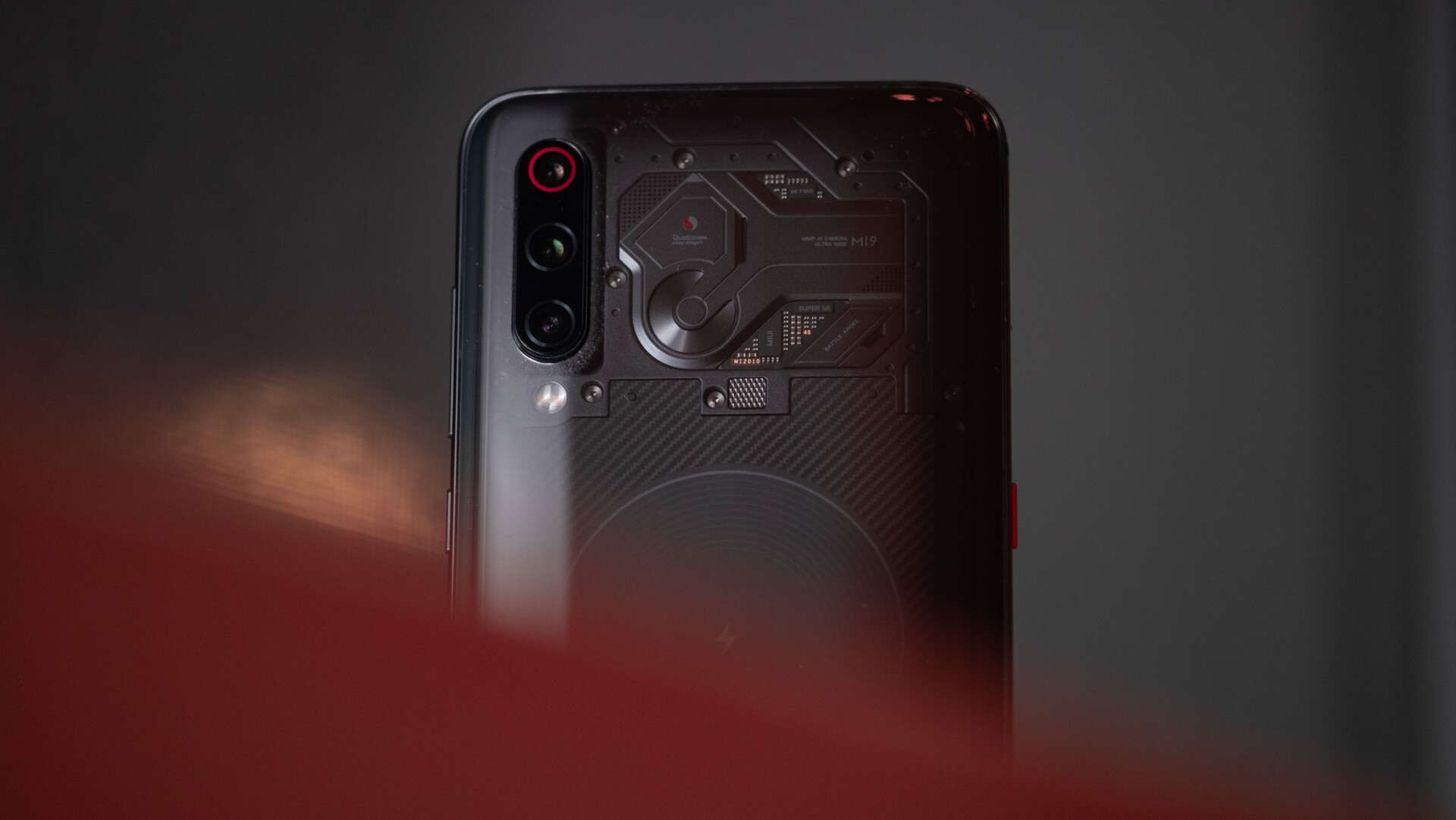
Xiaomi Mi 9

Xiaomi Mi 9 hero shot

Xiaomi notes that there are seven known issues with Android Q beta 4 for the Mi 9. You can read the known issues below.

  • Alarm does not ring when the device is switched off.
  • Device restarts after user selects wireless projection device in the Wireless display.
  • Settings app stops running after user deactivates shortcut to mute device.
  • Settings app stops running when Gesture is selected in Settings.
  • File app stops running after refresh.
  • Unable to switch screen color in Settings.
  • Unable to add a fingerprint.

Also, you must opt-in through the fastboot method that’s listed in the steps below.

  1. Download the Android Q beta firmware for the Xiaomi Mi 9.
  2. Download the MIUI ROM Flashing Tool.
  3. Unlock your device.
  4. Turn off your Mi 9.
  5. Press and hold the Volume Down and Power buttons to enter Fastboot mode.
  6. Connect the Mi 9 to your PC.
  7. Double-click the downloaded firmware to decompress it.
  8. Open the file folder for the decompressed firmware and copy its path on the PC.
  9. Once the MIUI ROM Flashing Tool is installed, open MiFlash.exe and paste it into the address bar the firmware file folder path copied in the previous step.
  10. Click the first button (circled out in yellow) to refresh.
  11. Click the second button (circled out in red) to flash the firmware to your Mi 9.

If these steps don’t help you, you can download the Mi PC Suite. From there, put your Mi 9 in Fastboot mode, connect the phone to your PC, and select the firmware.

Xiaomi Mi Mix 3 5G

Xiaomi Mi Mix 3 5G logo

Xiaomi notes that there are seven known issues with Android Q beta 4 for the Mi Mix 3 5G. You can read the known issues below.

  • Alarm does not ring when the device is switched off.
  • Device restarts after user selects wireless projection device in the Wireless display.
  • Default print service stops after device connects to Wi-Fi to print photos from gallery.
  • Settings app stops running after user deactivates shortcut to mute device.
  • Settings app stops running after user selects “Gestures”.
  • File app stops running after refresh.
  • Unable to switch color in settings.
  • Settings app crashes after Automatic brightness is selected.

Also, you must opt-in through the fastboot method that’s listed in the steps below.

  1. Download the Android Q beta firmware for the Xiaomi Mi Mix 3 5G.
  2. Download the MIUI ROM Flashing Tool.
  3. Unlock your device.
  4. Turn off your Mi Mix 3 5G.
  5. Press and hold the Volume Down and Power buttons to enter Fastboot mode.
  6. Connect the Mi Mix 3 5G to your PC.
  7. Double-click the downloaded firmware to decompress it.
  8. Open the file folder for the decompressed firmware and copy its path on the PC.
  9. Once the MIUI ROM Flashing Tool is installed, open MiFlash.exe and paste it into the address bar the firmware file folder path copied in the previous step.
  10. Click the first button (circled out in yellow) to refresh.
  11. Click the second button (circled out in red) to flash the firmware to your Mi Mix 3 5G.

If these steps don’t help you, you can download the Mi PC Suite. From there, put your Mi Mix 3 5G in Fastboot mode, connect the phone to your PC, and select the firmware.


And that’s it! Let us know in the comments if you have any of the devices listed here and plan to install Android Q beta 4.

How to get Android Q beta 4 on compatible non-Pixel phones (Updated) syndicated from https://bestpricesmartphoneweb.wordpress.com

Samsung Galaxy Note 10 renders emerge: Goodbye 3.5mm port, Bixby key?
Samsung’s Galaxy S10 series is one of a few major flagships to retain the 3.5mm port , as the likes of Google , Huawei , and OnePlus ...